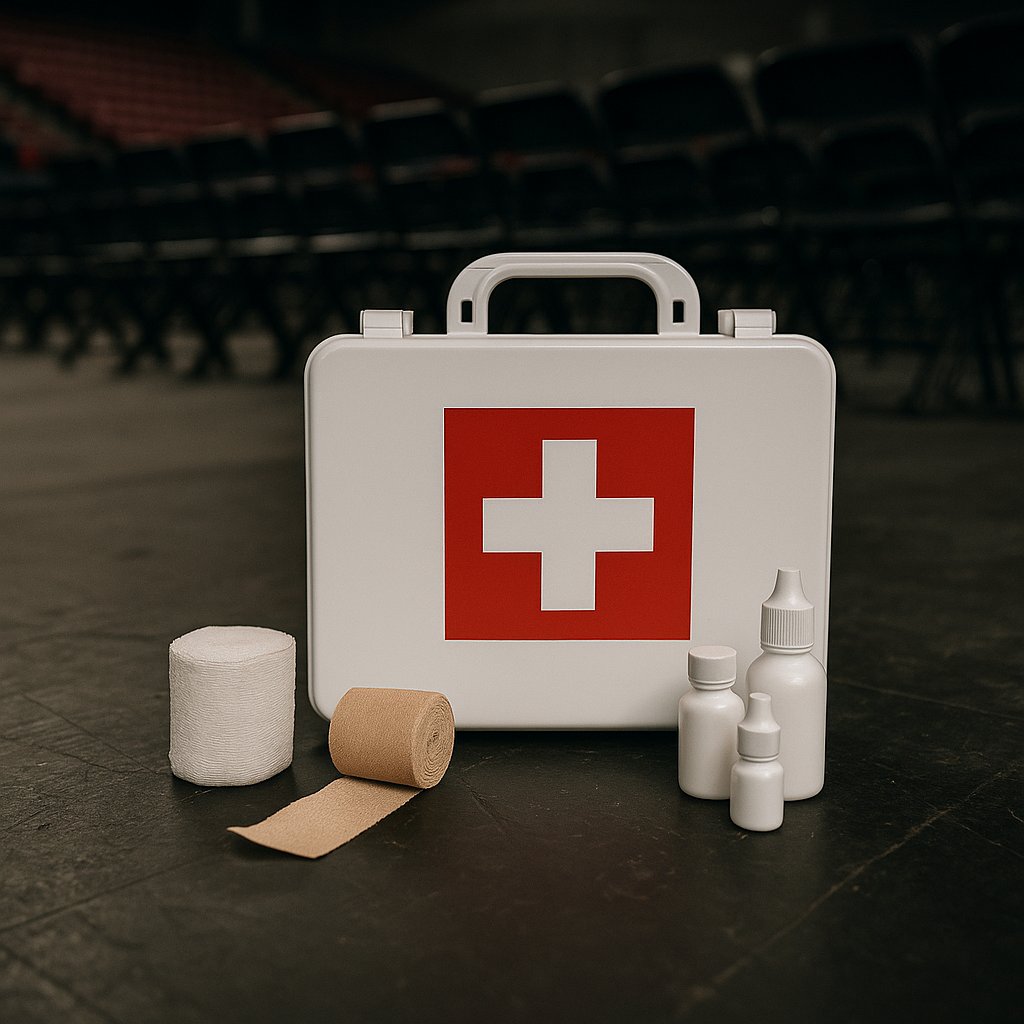
In the bustling world of event management, one element stands as a cornerstone of safety and welfare: medical provision. As festival organizers pour resources into elaborate stages, pyrotechnics, and dazzling lighting displays, it is crucial not to overlook the health and safety of attendees and staff. The catastrophic logistical challenges faced at a recent three-day festival have amplified a glaring oversight in many such large-scale events: the absolute necessity of robust medical infrastructure.
Imagine this scenario: under the relentless heat of a sweltering 95-degree weekend, nestled upon unforgiving asphalt, attendees start to succumb to the oppressive temperatures. The emergency medical services (EMS) team is left grappling with inadequate resources—mere pop-up tents without sides or air conditioning are barely sufficient for triage. To add insult to injury, medics find themselves scavenging ice from crew catering coolers, not only to soothe overheated guests but also to preserve their medical supplies. These kinds of oversights are not just minor inconveniences; they can lead to dangerous consequences and can even hinder crisis response. Through this article, we will explore critical logistical challenges faced during events, delve into the undervalued role of medical services, and provide actionable strategies for festival organizers to ensure safety is prioritized with the same zeal as the spectacle.
The disarray often observed in festival logistics begins with a fundamental disconnect: the prioritization of showmanship over safety. While it is undeniably essential for organizers to create a stunning visual experience that captivates audiences, it is equally vital to provide a safe environment where artists and attendees thrive. The heart of the problem lies in the industry’s penchant for splurging on extravagant features while neglecting the bare essentials for health and safety, which can be overlooked as “grudge” spending. Large music festivals often command high attendance, and when such numbers gather, the risks increase exponentially.
During the recent event, for instance, the site map presented a baffling dilemma: with a capacity of 15,000 people, merely erecting a flimsy 10x10 pop-up tent for medical triage was an insufficient solution. Introducing a reliable mobile medical unit or a robust hard-sided, climate-controlled facility for medical teams could have made a considerable difference in both comfort and efficiency. The need for adequate shelter in extreme weather conditions cannot be overstated; without it, medical personnel are put at risk, just as much as event attendees.
So, why does this happen repeatedly? In our modern age, the entertainment industry is driven by spectacle. The allure of vivid visual displays and jaw-dropping pyrotechnics tends to overshadow fundamental logistical necessities. Despite the fact that organizers are willing to invest significantly in custom LED walls, it is perplexing that an equivalent investment in the medical sector is often dismissed as unnecessary expense. This contradiction reflects a backward priority system that requires urgent addressing.
Part of remedying this issue involves fostering communication between festival organizers and medical service providers. It is imperative that medical professionals be included in planning processes early on, rather than being relegated to a last-minute thought. Incorporating their insights on potential health risks, accessibility, and necessary equipment would greatly improve operational effectiveness.
One illustrative case involves the famed Coachella Valley Music and Arts Festival, which began small in the late 1990s but has grown into one of the world’s largest festivals. Coachella’s success can be attributed in part to their comprehensive logistics planning, including a multi-faceted approach to health and safety. The festival includes numerous medical tents staffed by trained professionals who are equipped to respond to a variety of medical emergencies, from severe dehydration to allergic reactions. This proactive approach enhances guest experiences while ensuring safety remains a top priority.
To better equip festival organizers to create safer environments, here is a concise guide to improving medical logistics at large events:
1. Conduct a thorough risk assessment: Prior to any event, evaluate potential medical risks based on environmental conditions and expected attendance.
2. Collaborate with healthcare professionals: Engage with EMS and healthcare providers from the onset to identify requirements and integrate essential services into planning.
3. Prioritize climate control for medical areas: Ensure dedicated medical facilities are adequately sheltered from the outdoors, equipped with air conditioning, and well-stocked with medical supplies.
4. Establish a clear communication system: Use radio or wireless communication to create a direct line between security, medical staff, and event organizers for quick response times.
5. Invest in training: Provide first aid and crisis response training for festival staff to assist in ensuring all hands are on deck in case of emergencies.
By implementing these guidelines, event organizers can create a safer experience while simultaneously alleviating the overwhelming burden on medical personnel during extreme situations. Effective medical provisioning hinges not just on resources but also on the foresight to anticipate challenges and be adequately prepared.
The importance of prioritizing medical logistics cannot be overstated—it embodies the essence of responsible event planning. As our society moves toward more significant public gatherings, a systematic focus on health and safety must align with the creative ambition of festival producers. The well-being of attendees and staff should never serve as an afterthought.
In closing, as event organizers relish the sights and sounds of festival culture, let us also commit to nurturing an environment where safety is revered as paramount. The industry must reshape its priorities to adopt a balanced approach to safety and spectacle. Those in the position to create policies, procure resources, and manage logistics have an influential role in shaping the experience. An investment in comprehensive medical services is undeniably a step toward promoting a safer future for all who gather to celebrate.
For further reading on effective event planning and management, consider the following resources: - “The Event Safety Guide” by The UK Health and Safety Executive - “Planning Safe Events” by the Event Safety Alliance - “Emergency Medical Services for Large Events” from the National Association of State EMS Officials
As we gather to enjoy future events, let us make a collective effort to prioritize health and safety—after all, the real show must go on unhindered by preventable tragedies.