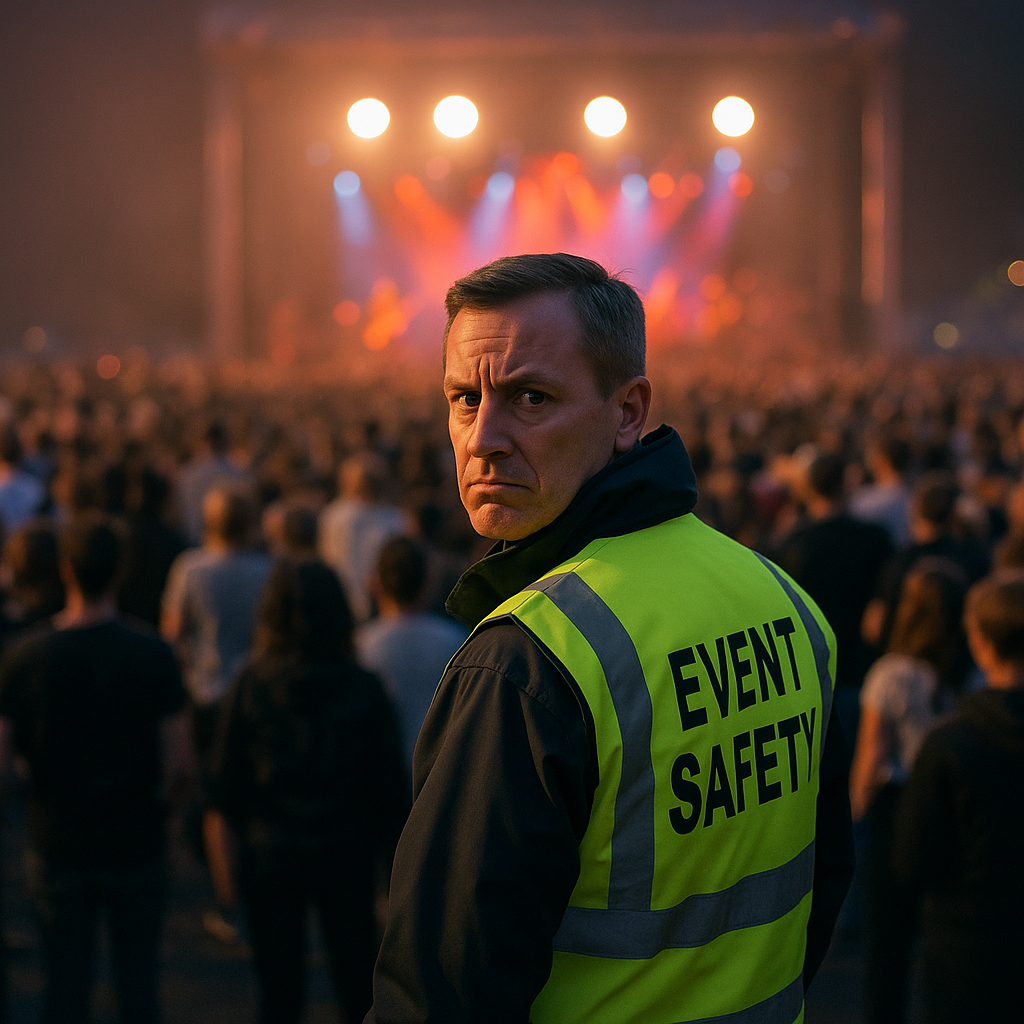
Imagine planning a large event, meticulously considering every detail to ensure a seamless experience for your guests. Yet, suddenly, dark clouds gather, strong winds whip through the air, and severe weather alerts begin to flood in. You recognize the imminent risk and know that you must evacuate or shelter in place, but as you attempt to communicate this to your guests, many choose to disregard your instructions. This scenario is not merely hypothetical; it reflects a common and challenging reality for event planners everywhere. In this article, we will explore the critical aspects of event safety during severe weather emergencies, addressing the complexities of guest compliance, responsibilities of event organizers, and effective strategies for managing both safety and guest relations.
Ultimately, you'll learn how to approach these situations with a focus on safety while effectively communicating the necessity of compliance to attendees. Understanding these key points can significantly influence how you and your team handle such emergencies, allowing you to prioritize both safety and customer relations.
Preparedness is Key
The first step in managing safety during inclement weather is understanding the necessity of preparedness. Often, event planners may feel overwhelmed by the size of crowds and the potential chaos of evacuations; however, establishing a strong emergency plan is crucial. This plan should address various scenarios: what to do in the event of a tornado, hurricane, severe storms, or even fire hazards. Essential components of this emergency plan include clear evacuation routes, designated safe zones, and communication protocols to ensure all staff and guests are adequately informed.
One effective strategy is to conduct preparedness drills prior to the event. This not only allows staff to familiarize themselves with the emergency plan but also creates an awareness among attendees. Sharing information prior to the event through emails, announcements, or pamphlets can generate a culture of safety. For example, in an instance where a tradeshow was evacuated due to hazardous fumes, many attendees were initially confused and reluctant to leave their booths. However, attendees who had prior knowledge of the plan were better prepared and acted quickly. This level of preparedness also fosters trust; guests are more likely to comply with safety protocols if they perceive that organizers have their best interests at heart.
Understanding Crowd Psychology
Another critical aspect to explore is the psychology of crowd behavior during emergencies. When faced with potential danger, groups can react in various ways, from panic to defiance. An essential part of your emergency strategy should involve understanding these behaviors and tailoring your approach accordingly. It's vital to emphasize clear, calm, and authoritative communication during these moments. For instance, if overwhelming fear takes over, individuals might be resistant to leaving, as was seen in a case where attendees at a major sports event became anxious and combative, despite police guidance during an evacuation. As an event organizer, your ability to maintain calmness can influence how others react.
One approach to facilitate compliance is to utilize strategic messaging—explaining to guests why evacuation is necessary and the risks involved in staying can create a sense of urgency. Sharing informational visuals, like infographics that illustrate weather warnings and safety protocols, can provide persuasive support for your communications. Furthermore, having staff members around to help guide the crowd can offer additional authority, allowing attendees to feel secure as they move toward safety.
Navigating Legal Responsibilities
Furthermore, understanding your legal liabilities can provide a framework for handling resistant guests. As event planners, you owe a duty of care to your attendees, which means you must take reasonable measures to protect their safety. During adverse weather conditions, if you've properly communicated the evacuation requirements and created a structure for compliance, you've substantially mitigated your liability. Yet, it’s essential to understand that if attendees refuse to leave after being informed of the risks, you cannot forcibly remove them without escalating tensions. In many conversations with legal experts, a common sentiment is to document all communications thoroughly—this can serve as protection should any legal questions arise after an incident.
One commenter from a discussion on this topic shared a firsthand evacuation experience during a roof being tarred indoors, resulting in an uncontrollable fume build-up. The evacuation had to be executed swiftly, demonstrating the need for efficiency but also the complications of having guests who were reluctant to leave their booths. This incident underscores the importance of continuous dialogue with event coordinators, so everyone is on the same page, especially when unanticipated situations arise.
Practical Tips for Event Safety Planning
With all these considerations in mind, here are some practical tips for effective event safety planning during inclement weather:
Pre-Event Communication: Provide guests with safety information during registration or through pre-event materials. This preparation creates familiarity and readiness among attendees.
Training Staff and Volunteers: Ensure that your team knows the emergency protocols and understands the importance of maintaining a calm demeanor during an active crisis.
Utilizing Clear Signage: Place signage around the event venue that indicates evacuation routes and safe areas. Easily visible signs can help guests navigate quickly and efficiently during an emergency.
Designated Safety Personnel: Assign specific team members to manage guest relations during an emergency. These individuals should be trained to communicate effectively and maintain crowd control.
Feedback Mechanisms: After the event, consider soliciting feedback from attendees about their experience during the emergency. This will help you refine your protocols for future events.
In summary, dealing with emergencies during events is undeniably challenging, especially when faced with resistant guests. However, by prioritizing preparedness, understanding crowd psychology, and enhancing communication strategies, you can create a safe environment for all. Remember that your role transcends merely hosting an event; you are responsible for ensuring the safety of your guests. Implementing a robust emergency plan can empower your team, assure guests during emergencies, and ultimately cultivate a more professional event atmosphere.
For further reading on emergency planning and crowd management strategies, consider resources like the FEMA Emergency Management Institute, which offers extensive training resources and best practices or the International Association of Venue Managers, which provides guidance on event safety compliance. By investing time in education and preparation, you can transform potential chaos into effective, calm evacuations, fostering trust with guests while attending to their safety needs.