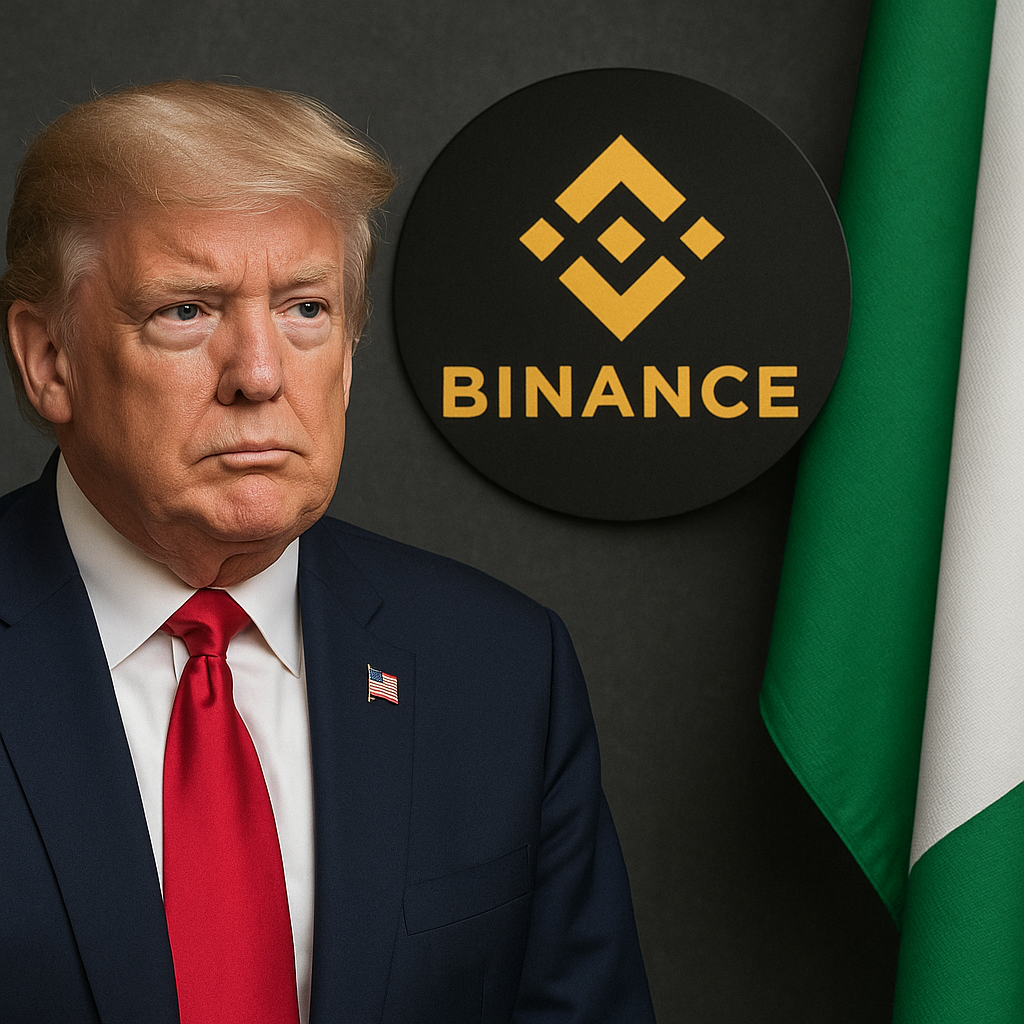
As the world watches the geopolitical landscape shift, the intersection of politics, cryptocurrency, and international relations has never been more pronounced. Recently, former President Donald Trump stirred the pot on social media platform Truth Social, alleging that he might cut off aid to Nigeria or even consider military action due to claims of persecution against Christians. Yet, the plot thickened when Changpeng Zhao, known as CZ—CEO of Binance—interjected, bringing the complexities of cryptocurrency and legal issues into the fray. This blog post will delve into the unfolding drama involving the alleged kidnapping of a Binance employee, the legal intricacies of Nigeria's law enforcement, and what it all means for the crypto landscape in Africa. By the end of this article, you'll have a clearer understanding of the ongoing crisis and its implications for both Nigeria and the crypto industry.
The controversy began with the arrest of Tigran Gambaryan, a former Binance executive, who was taken into custody in Nigeria during a broader investigation into the company’s operations. Gambaryan spent approximately eight months in jail, facing serious money laundering charges, while another colleague managed to escape. Amid the rising tensions, 18 US attorneys general petitioned to classify Gambaryan as a hostage, emphasizing concerns about his treatment and the legitimacy of the legal proceedings against him. Nigeria, however, firmly rejected this portrayal, stating that Gambaryan received adequate medical care and legal representation during his incarceration. The charges were ultimately dropped in October 2024 on humanitarian grounds, paving the way for a contentious dialog about law enforcement practices in Nigeria.
The Gambaryan case intensified discussions about the complex relationship between crypto companies and national security. With countries around the globe grappling with the explosive growth of the cryptocurrency sector, law enforcement is under pressure to regulate and manage these dynamic entities within their borders. Cryptocurrency, often seen as a global currency free from traditional constraints, complicates these legal frameworks and can put companies like Binance at risk of falling foul of local laws. The Nigerian market remains pivotal for cryptocurrency, particularly given its rapidly expanding base of users and enthusiastic adoption. However, previous developments like the suspension of naira trading by Binance highlight the regulatory challenges in operating within Nigeria.
As the Gambaryan case intensified, CZ’s social media comments highlighted a pivotal moment for Binance and the broader crypto community. His assertion that Nigeria had "kidnapped" Gambaryan sparked fierce backlash from Nigerians who felt that such a term misled the international audience and undermined their legal process. It quickly became evident that while the narrative surrounding the case was escalating on social media, the realities of legal enforcement in Nigeria were often overlooked in favor of sensationalistic framing. This situation serves as a reminder of the importance of understanding local laws and diplomatic norms, particularly for international businesses.
Following intense backlash, CZ deleted his post, illustrating how quickly narratives can flip and the potential consequences of miscommunication in a digital age. The international discourse surrounding human rights and legal integrity remains sensitive, especially when foreign entities provide commentary. The Nigerian citizens arguing for lawful jurisdiction made it clear that every sovereign nation has the authority to enact and enforce its laws, irrespective of external pressures. This is a crucial point for crypto stakeholders who often navigate complex international landscapes.
In another twist, Gambaryan himself claimed that Nigerian representatives extorted $50 million from the Biden administration for his release, a staggering allegation that has generated more headlines and controversy. By calling the Nigerian regime "lawless," Gambaryan opened a new dimension in this unfolding narrative. It raises serious ethical questions regarding diplomacy, foreign intervention, and the real power dynamics at play between nations, corporations, and individuals. Furthermore, these claims could exacerbate tensions and lead to changes in how governments approach international business relations with Nigeria.
This evolving situation is crucial not just for Binance or the cryptocurrency market but for anyone with investments in the region or who operates across borders. With cryptocurrency being a hot topic globally, companies must remain vigilant and build strategies for compliance that respect local laws while also protecting their interests. For example, cryptocurrency firms should maintain clear, jurisdiction-tagged records of all inflows and outflows, particularly when dealing with multi-country operations. This proactive approach can help mitigate audit challenges and potential penalties that may arise from unexpected regulatory changes.
Another piece of practical advice for those navigating the crypto space is to stay informed about legal developments and changing regulations in key markets, especially emerging ones like Nigeria. Subscribing to regulatory insights platforms and industry news sources can provide timely updates and context that are vital for making informed business decisions. Knowledge is power, and staying ahead of changes in legal frameworks will help crypto companies anticipate challenges and adjust strategies accordingly.
The intersection of cryptocurrency, politics, and law enforcement is a complex web that requires careful navigation. The Gambaryan case illuminates the potential hazards that crypto companies face, particularly as they operate in jurisdictions with different legal standards and norms. As geopolitical tensions rise and the cryptocurrency market continues to mature, the implications of these developments will be increasingly significant for both local and global stakeholders. The current scenario showcases the need for vigilance, compliance, and ethical consideration in international business dealings. As we watch this story unfold, it's essential to remain informed and engaged, ensuring that we can address the challenges and seize opportunities in this ever-evolving landscape.
For those wishing to explore more on this issue, consider delving into works on international business law, the evolving regulatory landscape of cryptocurrency, or the socio-political dynamics in Nigeria. Reading resources such as "Cryptoassets: The Innovative Investor's Guide to Bitcoin and Beyond" by Chris Burniske or following reputable financial news outlets can provide deeper insights.
As we navigate these turbulent waters, let us strive for clarity, understanding, and the necessity of dialogue—whether that's in the boardrooms of international corporations or on the streets of Nigeria.