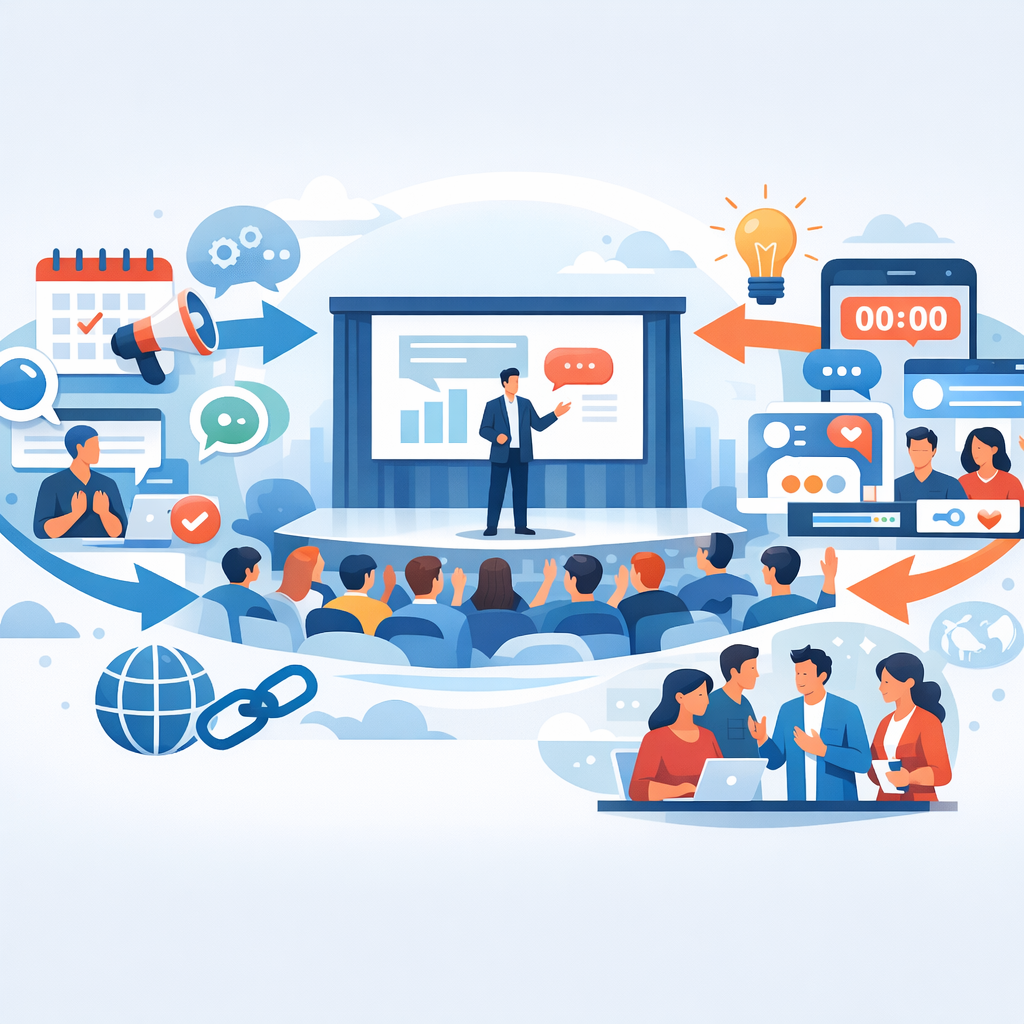
Events Should Be a Beginning, Not an End
Events are often treated as high-impact milestones—carefully planned, well-funded, and executed with precision. Yet for many organizations, the energy generated during an event fades almost as quickly as it arrives. Attendees leave inspired, conversations stall, and what could have been the beginning of a thriving community becomes a one-time interaction. This loss of momentum is not inevitable; it is usually the result of how events are framed within a broader engagement strategy.
One of the core reasons organizations struggle to sustain momentum is that events are often treated as endpoints rather than touchpoints. Teams pour their resources into driving attendance and delivering a memorable experience, but once the event concludes, there is no clear path forward for participants. Without a structured continuation, even the most enthusiastic attendees drift back into their routines. The excitement dissipates because there is no channel, incentive, or expectation to remain involved.
Engagement Starts Before the Event Begins
Another contributing factor is the lack of pre-event engagement. When attendees only interact with an organization on the day of the event, there is no foundation to build upon. Consider the difference between a conference where participants have already joined a discussion forum, introduced themselves, or contributed to pre-event polls, versus one where they show up cold. In the former, relationships and curiosity are already in motion, making it far easier to sustain engagement afterward. In the latter, the event must carry the full burden of connection, which is rarely enough.
Extending engagement before an event begins requires shifting the mindset from promotion to participation. Instead of simply announcing speakers and agendas, organizations can create opportunities for early interaction. This might include sharing behind-the-scenes content, hosting short virtual meetups, or inviting attendees to shape parts of the program. For example, a company hosting a product summit could open a community space weeks in advance where users discuss challenges and vote on topics they want covered. By the time the event starts, attendees already feel invested because they helped influence the experience.
Turning Post-Event Energy Into Ongoing Interaction
Equally important is what happens immediately after the event. This is the moment when energy is at its peak, yet it is often wasted. A common mistake is limiting follow-up to a generic thank-you email or a recording link. While useful, these actions do little to deepen engagement. Instead, organizations should design a clear next step that builds on the momentum. This could take the form of a post-event discussion series, small group sessions, or collaborative projects that extend the themes introduced during the event.
A strong example comes from professional communities that host annual conferences but maintain year-round interaction. After the event, attendees are invited into ongoing working groups or interest-based channels where conversations continue. The conference becomes a catalyst rather than a conclusion. Participants return not just for the event itself, but because they are already part of an active ecosystem. This shift transforms attendees into contributors.
Facilitating and Sustaining Meaningful Conversations
Building ongoing conversations requires more than simply providing a platform; it demands intentional facilitation. Many organizations launch online communities only to see them become inactive because no one is guiding the dialogue. Successful communities are nurtured through regular prompts, curated content, and active moderation. Leaders or community managers play a critical role by asking questions, highlighting member contributions, and connecting people with shared interests.
Consistency is what turns sporadic interaction into a habit. Instead of relying on occasional large-scale events, organizations benefit from creating smaller, recurring touchpoints. These could be monthly virtual meetups, weekly discussion threads, or periodic challenges that encourage participation. Over time, these rhythms establish a sense of continuity, making engagement feel natural rather than forced.
Building a Community That Lasts
Another powerful driver of sustained momentum is recognizing and elevating members. When attendees see that their contributions are valued—whether through shout-outs, opportunities to lead sessions, or invitations to collaborate—they are far more likely to stay involved. This approach shifts the dynamic from audience to community. People are no longer passive recipients of content; they become active participants shaping the experience.
Technology can support these efforts, but it is not the solution on its own. Many organizations invest in sophisticated platforms yet fail to achieve meaningful engagement because the underlying strategy is missing. Tools should enable connection, not replace it. The real focus should be on creating meaningful interactions and giving people a reason to return.
Ultimately, maintaining momentum after an event requires rethinking what success looks like. Instead of measuring outcomes solely by attendance numbers or immediate feedback, organizations should consider the longer-term impact. Are attendees staying connected? Are conversations continuing? Are new relationships forming? These indicators reflect whether an event has successfully transitioned into an ongoing community.
When events are designed as part of a continuous engagement journey, their value multiplies. The excitement generated on the day does not fade; it evolves into sustained interaction, collaboration, and growth. Organizations that embrace this approach move beyond one-time experiences and begin building something far more powerful—a community that thrives long after the event lights go down.