The Role of Events in Thriving Ecosystems
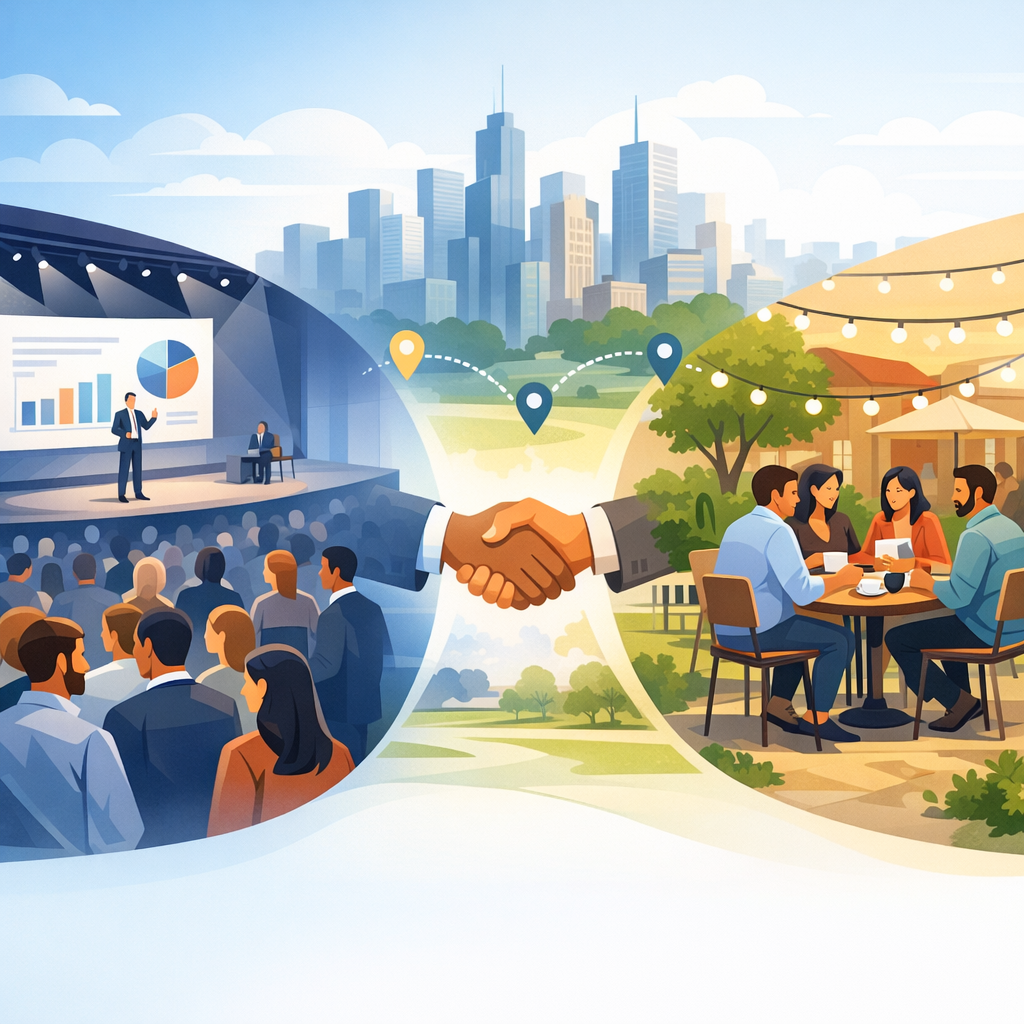
In every thriving professional or creative ecosystem, events play a central role in shaping connections, ideas, and opportunities. From massive global conferences to cozy local meetups, these gatherings create the social infrastructure that fuels innovation and collaboration. While they may seem to serve similar purposes, flagship events and intimate meetups operate in very different ways. Understanding how they complement rather than compete with each other is key to building a healthy, resilient community.
The Power and Limits of Flagship Events
Large flagship events are designed for reach. They bring together hundreds or even thousands of attendees, often from across regions or continents. These events generate visibility not only for attendees but also for the industries, companies, and ideas represented. Think of global tech conferences, major startup summits, or industry expos. Their scale allows them to amplify trends, showcase breakthroughs, and attract attention from media, investors, and decision-makers.
That level of exposure can be transformative. A startup might land its first major investor after a chance introduction at a large conference. A speaker might gain international recognition after presenting on a main stage. These events act as accelerators, compressing opportunities into a short period of time. They are particularly valuable for those looking to expand beyond their immediate circles and tap into broader networks.
However, reach often comes at the expense of depth. In a crowded event hall filled with thousands of people, conversations can be brief and transactional. Networking becomes a numbers game, where the goal is to meet as many people as possible rather than truly get to know them. While these interactions can open doors, they don’t always build lasting relationships on their own.
The Depth of Intimate Meetups
This is where intimate local meetups shine. Smaller gatherings, whether they are community-led workshops, industry dinners, or informal meet-and-greets, prioritize connection over scale. With fewer attendees, people have the space to engage in meaningful conversations, share personal experiences, and build trust over time. These events often feel less like networking and more like belonging.
In a local meetup, it’s not unusual for conversations to last an entire evening. People remember each other’s names, follow up on past discussions, and form genuine relationships that extend beyond the event itself. These settings create psychological safety, where participants feel comfortable asking questions, sharing challenges, and offering support. Over time, this fosters a strong sense of community identity.
Visibility, Belonging, and Networking Dynamics
The contrast between visibility and belonging is striking. Large events make you visible to a wide audience, but they don’t necessarily make you feel seen. Smaller meetups, on the other hand, may not offer the same level of exposure, but they create an environment where individuals feel recognized and valued. Both experiences are important, but they serve different emotional and professional needs.
The same dynamic applies to networking. At flagship events, networking happens at scale. You might exchange dozens of business cards or LinkedIn connections in a single day. This can be incredibly useful for expanding your network quickly, especially if you are entering a new industry or market. However, the sheer volume of interactions can make it difficult to maintain or deepen those connections afterward.
In contrast, networking at local meetups is slower and more intentional. Instead of meeting dozens of people, you might connect with just a handful—but those connections are often stronger. These are the people who will introduce you to others, collaborate on projects, or support your growth over time. The conversations are not just about what you do, but who you are and what you care about.
Building a Balanced and Sustainable Community
Real-world ecosystems that thrive tend to embrace both formats. Consider the tech community in cities like Berlin or San Francisco. Large conferences draw global attention and bring in fresh ideas, talent, and capital. At the same time, a dense network of smaller meetups sustains the local culture, ensuring that relationships are nurtured and knowledge is shared consistently throughout the year.
Another example can be found in creative industries such as design or filmmaking. Major festivals and showcases provide visibility and recognition, often acting as launchpads for careers. Yet, it is the smaller, recurring gatherings—workshops, critique groups, and local screenings—that help practitioners refine their craft and build supportive networks. Without these grassroots interactions, the momentum generated by large events would quickly dissipate.
The interplay between these two types of events also creates a feedback loop. Connections made at a large conference can be deepened later in smaller settings. Similarly, relationships formed at local meetups can lead to collaborations that eventually gain visibility on bigger stages. Each format reinforces the other, creating a more dynamic and interconnected ecosystem.
For organizers and community builders, the key is not to choose one over the other, but to understand how they complement each other. Large events should not aim to replace intimacy, and small meetups should not try to replicate scale. Instead, each should lean into its strengths while creating pathways for participants to move between different levels of engagement.
For individuals, being intentional about how you engage with both types of events can make a significant difference. Attending a flagship event with the goal of broad exposure, followed by participating in smaller gatherings to deepen those connections, creates a balanced approach to networking and growth. It allows you to benefit from both visibility and belonging, rather than sacrificing one for the other.
Ultimately, strong ecosystems are not built on a single type of interaction. They require both the energy of large-scale gatherings and the depth of intimate connections. Flagship events spark momentum, while local meetups sustain it. Together, they create environments where ideas can spread widely and relationships can grow deeply—an essential combination for any community that aims to thrive over the long term.